Emergencies become easier to manage when the household has a clear plan and dependable tools. Weather Alerts and Home Backup Power for Extended Outages focuses on official weather alerts and carefully planned backup electricity so families can prepare steadily without fear-driven purchasing.
Faith-based preparedness is responsible stewardship. We trust the Most High while organizing practical resources, learning safe procedures, and caring for every person placed in our household.
“The LORD is good, a strong hold in the day of trouble; and he knoweth them that trust in him.” — Nahum 1:7 (KJV)
This detailed guide will help you connect products to a complete plan, avoid common mistakes, and build habits that remain useful through changing seasons.
Define the Household Goal
The purpose of this plan is official weather alerts and carefully planned backup electricity. Begin by counting every adult, child, older relative, guest, and pet who may depend on the household. Record allergies, medicine, mobility concerns, dietary needs, and equipment that requires electricity or clean water.
Think through an extended outage that affects communication, refrigeration, lighting, and essential devices. Write the first actions, safe locations, contact methods, and conditions that require evacuation or professional help. A written plan keeps urgent decisions from depending entirely on memory.
Evaluate the First Featured Product
The NITIGO 10000mAh Emergency NOAA Weather Radio can support this preparedness goal. Review current specifications, included parts, power or battery requirements, size, weight, weather limitations, maintenance, and warranty information before purchasing.
Open and inspect equipment when it arrives. Keep the manual, test approved functions safely, and teach capable family members where it is stored. A product still sealed in an unfamiliar box is not yet part of a dependable emergency system.
Evaluate the Second Featured Product
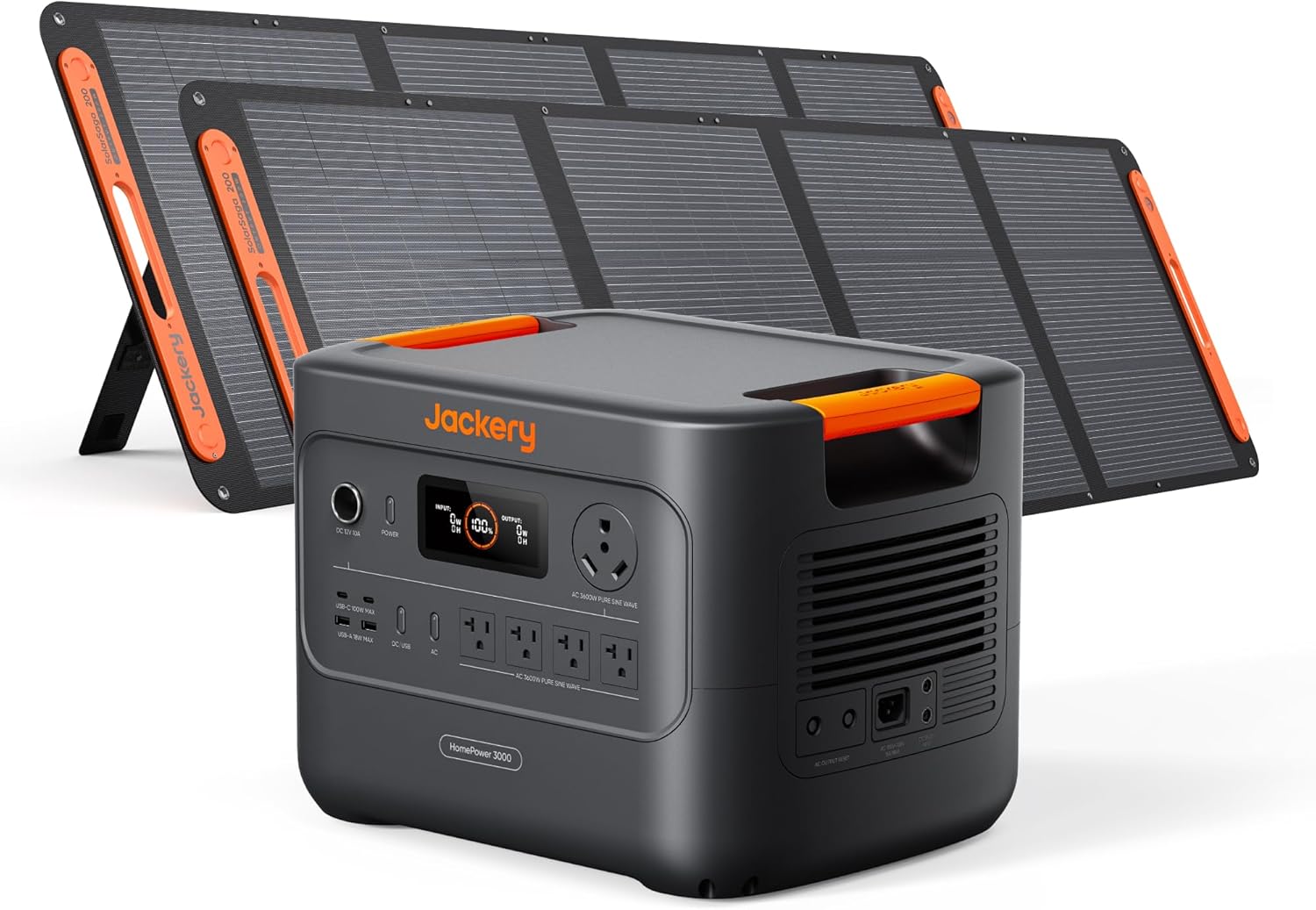
The Jackery HomePower 3000 Portable Power Station adds another layer to the plan. Compare current capacity, operating requirements, materials or ingredients, safety instructions, storage needs, and realistic household use.
Products should work together with stored food, water, medicine, sanitation, communication, transportation, and safe shelter. Do not allow one major purchase to leave basic needs unfinished.
Start With Three Complete Days
Organize seventy-two hours of water, familiar food, medicine, light, communication, hygiene, first aid, and pet supplies. Plan actual breakfasts, lunches, dinners, and snacks instead of collecting unrelated cans and packages. Keep at least one full day of food that requires no cooking.
Label Day One, Day Two, and Day Three containers or shelf areas. Store printed preparation directions, a manual can opener, eating utensils, and trash bags. Record the water required for meals in addition to drinking and hygiene needs.
Expand Toward Two Weeks
After the first three days are complete, build toward two weeks. Longer disruptions require attention to nutritional variety, prescription refills, waste, laundry, device charging, transportation, indoor temperature, and emotional well-being.
Add supplies gradually within the household budget. Rotate consumable items through normal use and replace them promptly. A smaller system that is maintained is stronger than a large collection nobody understands.
Store Water and Understand Treatment Limits
Safe water is a priority. Store a practical starting supply in approved containers away from chemicals, sunlight, and damaging temperatures. Add water for heat, illness, pregnancy, nursing, physical work, infant needs, and pets.
Filtration, reverse osmosis, chemical disinfection, and boiling address different hazards. No method automatically removes every biological, chemical, salt, or dissolved contaminant. Follow manufacturer instructions and current local water-authority guidance.
Protect Food During Utility Interruptions
Keep refrigerator and freezer doors closed during an outage and use appliance thermometers. Follow current public-health guidance when deciding whether food remains safe. Never taste questionable food to test it.
Store shelf-stable foods the family already eats. Check calories, ingredients, allergens, sodium, serving definitions, preparation time, water needs, and storage conditions before depending on packaged emergency meals.
Use Electricity and Fuel Safely
Generators, grills, charcoal devices, and most fuel-burning stoves belong outdoors, far from doors, windows, vents, garages, and enclosed areas. Carbon monoxide cannot be seen or smelled and can kill quickly.
Never connect a generator to household wiring without an approved transfer system installed by a qualified professional. Keep electrical connections dry, follow equipment ratings, and preserve backup power for the highest-priority loads.
Prepare for Medical and Accessibility Needs
Keep a written medication list, allergies, emergency contacts, and instructions for medical devices. Ask healthcare professionals how to manage temperature-sensitive medicine and powered equipment during an outage or evacuation.
Use containers and bags that household members can carry safely. Add hearing-device batteries, mobility supplies, softer foods, infant items, glasses, and other individual necessities.
Create a Family Communication Plan
Write utility numbers, emergency contacts, meeting locations, an out-of-area contact, and official alert sources. Give each responsible person a copy and protect another copy from moisture in the emergency kit.
Teach children their full name, address, trusted contacts, and when to call emergency services. Rely on official instructions instead of rumors. Text messages may work when voice networks are overloaded, so keep messages brief.
Organize a Safe Home Base
Choose an appropriate central room for ordinary outages and identify the safest sheltering location for local weather hazards. Keep pathways and exits clear. Place shoes, lighting, water, radio, first aid, medicine, and comfort items where they can be reached.
Secure pets, protect children from small parts and sharp tools, and place heavy supplies on lower shelves. Store food away from fuel, cleaners, pesticides, and strong odors.
Prepare a Portable Evacuation Portion
A home supply and a travel kit serve different purposes. Pack a lighter set of water, ready-to-eat food, medicine, identification copies, contacts, weather protection, light, first aid, hygiene items, and pet necessities.
Choose two routes and two meeting places. Keep fuel responsibly maintained and include a paper map. Follow official evacuation orders promptly and never enter floodwater, fire zones, damaged buildings, or restricted areas.
Build Through Wise Budgeting
Set a small monthly preparedness amount and purchase the most important missing item first. Compare total usefulness, required accessories, maintenance, and return policies rather than promotional language alone.
Preparedness should not displace housing, medicine, utilities, debt obligations, or current groceries. Sales and bulk packages save money only when the family can safely store and use the product.
Practice and Maintain the Plan
Once each month, inspect supplies, test appropriate equipment, charge batteries, rotate food and water, update contacts, and replace used items. Record model numbers, purchase dates, and maintenance requirements.
Twice a year, conduct a short safe practice. Locate supplies in low light, prepare one emergency meal, review family roles, and identify confusion. Never disconnect essential medical equipment or create a hazardous condition for a drill.
Common Mistakes to Avoid
- Buying equipment without defining the problem it must solve.
- Depending on one product without a simple backup.
- Ignoring batteries, water, fuel, sanitation, and printed instructions.
- Forgetting children, older adults, medical diets, mobility, and pets.
- Storing supplies in moisture, extreme heat, or direct sunlight.
- Waiting until an emergency to learn how equipment works.
- Exceeding the budget because of fear or advertising pressure.
Your Four-Week Action Plan
Week One—Assess: identify local hazards, count household members, record special needs, and inventory current resources.
Week Two—Build: complete three days of food and water, add sanitation and communication, and fill the most important equipment gap.
Week Three—Learn: read manuals, test approved functions, teach family responsibilities, and practice one realistic scenario.
Week Four—Maintain: correct weaknesses, update the inventory, replace used supplies, and schedule monthly reviews.
Connect Preparedness to Ordinary Routines
Emergency readiness becomes dependable when it is part of normal household life. Use stored food in regular meals, keep approved equipment charged, and replace consumable supplies after use. Assign one monthly review date and record it on the family calendar.
Keep instructions near the equipment rather than in an unknown drawer. When a product changes, update the written plan because controls, accessories, limitations, and maintenance needs may differ between models.
Plan for Different Seasons
Summer heat, winter cold, hurricane conditions, thunderstorms, and wildfire smoke create different priorities. Review shelter, temperature, water, clothing, food, transportation, and medical needs before each major season.
Seasonal reviews also protect equipment and stored supplies from damaging temperatures. Move items to safer storage when required and confirm that every responsible person knows the current plan.
Coordinate With Trusted Neighbors
Exchange contact information and discuss reasonable assistance before an emergency. One household may have training, another may have transportation, and another may be able to check on an older neighbor. Cooperation should remain voluntary, safe, and respectful.
Do not publicly advertise the exact location or quantity of valuable supplies. Share information wisely, protect household privacy, and never enter unsafe areas or ignore official restrictions.
Keep Paper Records Available
Print contacts, product instructions, medication lists, local shelter information, and a basic inventory. Protect the papers from moisture and place one copy with home supplies and another with portable emergency items.
Mark the revision date and replace outdated pages after changes in phone numbers, medicine, vehicles, family members, or equipment. A paper backup remains useful when phones lose power or internet service fails.
Support Spiritual and Emotional Strength
Children and adults may experience fear, frustration, fatigue, or disagreement during an emergency. Calm communication, prayer, hydration, rest, familiar food, and clear responsibilities help protect the atmosphere of the home.
Include quiet activities and age-appropriate comfort items. Monitor official updates without repeatedly exposing the family to alarming reports. Encourage honest questions and explain decisions in language each person understands.
Know When to Relocate
No supply plan overrides an evacuation order, medical emergency, fire warning, contaminated-water notice, structural damage, or dangerous indoor temperature. Decide in advance which conditions require calling emergency services or moving to a safer location.
Identify trusted homes, community shelters, hospitals, warming or cooling centers, and pet arrangements. Early action can be safer than waiting until batteries, water, fuel, medicine, or transportation options are nearly exhausted.
Review Lessons After Every Disruption
When the event ends, record what worked and what failed. Note confusing instructions, missing items, battery performance, water use, meal acceptance, communication problems, and the needs of dependents.
Correct the most serious weakness first, replace used supplies, clean and store equipment, and thank those who helped. Every experience can strengthen the next version of the plan.
Use a Simple Decision Checklist
- What is the immediate threat?
- Which official source provides instructions?
- Is the home safe to remain in?
- Who needs medical, mobility, or transportation assistance?
- Which supplies are required during the next six hours?
- What condition will trigger relocation?
- Who will update relatives and trusted contacts?
Strengthen the Featured Preparedness System
Review official weather alerts and carefully planned backup electricity as one connected system rather than two separate purchases. Confirm where both products will be stored, who may operate them, which accessories or supplies they require, and how they support the first seventy-two hours. Write a backup method for each essential function. Include the products in a safe practice, record their performance, and correct any missing instruction, charging, sizing, storage, or accessibility issue before a real emergency.
Recheck the plan whenever the household moves, a family member develops a new medical need, severe-weather seasons change, or equipment is replaced. Preparedness remains useful when it grows with the household. Keep decisions grounded in prayer, accurate information, practical safety, and responsible stewardship rather than fear.
Prepare Faithfully and Move Forward in Peace
A strong emergency plan is built through steady habits. Choose products that fit a clearly defined need, connect them to food, water, medicine, communication, sanitation, and evacuation planning, then teach the household how the entire system works.
Preparation does not promise that every difficulty will disappear. It gives the family a wise starting point, reduces preventable confusion, and strengthens the ability to serve others responsibly.
Take action today: review the two featured preparedness areas, identify the most important household gap, and complete one practical improvement within your budget. Share this guide with a relative, neighbor, or church member who is building a peaceful emergency plan.
Continue building with wisdom and peace.
Affiliate Disclosure: As an Amazon Associate, New Beginnings Faith Ministries earns from qualifying purchases. This does not increase your cost.
Written by Vernita B. Wells | New Beginnings Faith Ministries



Comments
Post a Comment