Reliable information and safe water become immediate priorities when storms, outages, or infrastructure failures disrupt normal services. A family that can receive official alerts and protect its drinking-water plan is better prepared to make calm decisions.
Faith-based preparedness joins prayer with diligent action. We trust the Most High while organizing the tools, knowledge, and household responsibilities that allow us to care for one another without panic.
“God is our refuge and strength, a very present help in trouble.” — Psalm 46:1 (KJV)
This guide explains how to create a layered communication system, assess emergency water needs, understand purification limits, and build a written family response plan.
Create a Layered Communication System
Do not depend on one phone, app, or internet connection. Combine official mobile alerts, a battery or hand-crank radio, written contacts, and an out-of-area family contact. Local authorities and weather services should remain the primary information sources.
Record radio stations, utility numbers, shelters, and meeting places. Keep the list in waterproof protection and provide copies to responsible family members.
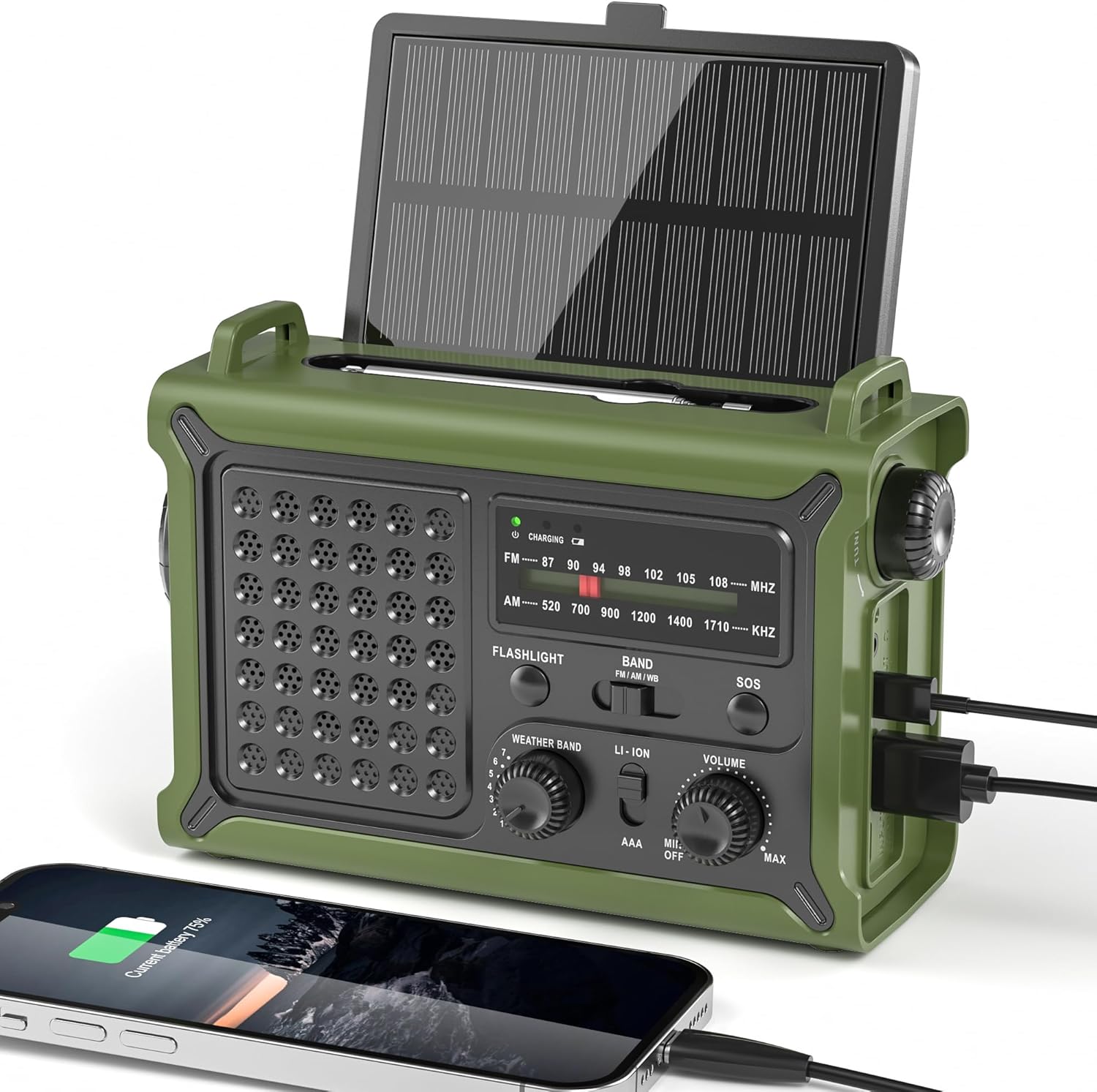
Understand Emergency Radio Features
Compare AM, FM, and weather-band reception, battery options, charging methods, flashlight settings, and device limitations. Learn the controls before severe weather begins.
Hand-crank and solar features provide backup options, yet they require realistic expectations. Test charging performance and preserve stored battery power for essential information.
Calculate Household Water Needs
Count drinking, simple meal preparation, medicine, and essential hygiene. Add water for heat, illness, pregnancy, nursing, physical work, infants, and pets.
Store water in approved containers away from chemicals and extreme temperatures. Label dates, inspect seals, and follow current local guidance for rotation.
Know the Difference Between Filtration and Purification
Filters, reverse-osmosis systems, disinfectants, and boiling address different hazards. No single method automatically removes every biological, chemical, or dissolved contaminant.
Read certified performance information and manufacturer instructions. During public advisories, follow the exact directions of the local water authority.
Respond to a Boil-Water Notice
Use safe water for drinking, brushing teeth, preparing food, washing produce, making ice, and mixing infant formula. Follow the official notice for method and duration.
Do not assume a countertop appliance makes unsafe source water acceptable during every emergency. The nature of the contamination determines the appropriate response.
Recommended Preparedness Tools
A radio provides access to official warnings when phones and internet service fail. The Solar Radio Emergency Hand Crank 12000mAh can support this part of the plan. Review the current description, operating instructions, capacity, limitations, warranty information, and customer guidance before deciding whether it fits your household.
A household purification system can support everyday water quality and a broader preparedness strategy when utilities remain available. The Bluevua RO100ROPOT Countertop Reverse Osmosis System is another option to compare. Confirm current specifications, ingredients or materials, storage requirements, included components, and safety directions on the product page.
Put Safety Before Convenience
Emergency equipment is valuable only when it is used safely. Read manuals before a crisis, keep printed instructions with the supplies, and teach capable family members how each item works. Never improvise with electricity, fuel, medicine, water treatment, or food preservation. Follow official public-safety guidance and the manufacturer’s current directions.
Children should not operate unfamiliar emergency devices without responsible adult supervision. Store batteries, chemicals, medicines, sharp tools, and small parts securely. Keep walkways and exits clear, place heavy supplies on lower shelves, and remove damaged equipment from service.
Plan for Children, Older Adults, and Pets
A family plan must reflect the people who will actually use it. Children need familiar foods, comfort items, simple instructions, and identification information. Older adults may need softer foods, lighter containers, mobility support, hearing-device batteries, or help reading labels. Record allergies, medical diets, and essential prescriptions.
Pets need water, familiar food, medicine, carriers or leashes, waste-cleanup supplies, and identification. Include them in evacuation practice. A plan becomes stronger when every dependent is counted before supplies are purchased.
Create a Written Family Communication Plan
Write emergency contacts, utility numbers, meeting places, medical information, and out-of-area contacts on paper. Phones can lose power, internet service may stop, and family members may become separated. Give each responsible person a copy and place another in the emergency kit.
Choose one meeting place near the home and another outside the neighborhood. Teach children how to contact emergency services and which trusted adults may pick them up. During a disaster, rely on official alerts rather than rumors or unverified social-media claims.
Build the Supply Without Financial Strain
Preparedness should strengthen the household budget. Begin with the most important safety gap, set a small monthly amount, compare total value rather than advertising language, and avoid buying products that do not match the family plan. Housing, medicine, utilities, debt obligations, and current food remain priorities.
Buy familiar consumable supplies during ordinary shopping and rotate them into regular use. Large packages save money only when the household can store, use, and maintain them. Record purchase dates and keep receipts or warranty information for major equipment.
Store and Organize Everything Clearly
Group supplies by purpose and label each container. Keep frequently needed items accessible, protect products from moisture and extreme temperatures, and avoid storing food near chemicals or fuel. Place a printed inventory on the pantry door or inside the emergency cabinet.
Use first-in, first-out rotation for food and dated supplies. Replace anything consumed during practice or an actual emergency. Check packages for damage, corrosion, leakage, pests, or missing parts, and follow safe disposal guidance.
Practice Before the Emergency
A short family drill reveals problems that a shopping list cannot. Practice locating the supplies in low light, reading printed instructions, contacting the family’s meeting person, and preparing one emergency meal. Never create unsafe conditions or disconnect essential medical equipment during a drill.
Afterward, ask what was confusing, difficult, or missing. Update the written plan and assign one person to correct each gap. Preparedness grows through learning, not through pretending every first attempt is perfect.
Monthly Maintenance Checklist
- Inspect both featured products and confirm every required component is present.
- Test batteries or charging functions according to manufacturer instructions.
- Rotate food, water, medicine, and dated supplies safely.
- Review emergency contacts and local alert sources.
- Check the needs of children, older adults, guests, and pets.
- Replace damaged, expired, recalled, or consumed items.
- Review one part of the plan with the entire household.
Common Mistakes to Avoid
- Buying equipment before defining the household’s real need.
- Depending on one device without a simple backup method.
- Ignoring water, batteries, fuel, sanitation, or printed instructions.
- Waiting for an emergency to open and understand a product.
- Forgetting dietary, medical, mobility, or pet requirements.
- Storing supplies in damaging heat, moisture, or direct sunlight.
- Allowing fear or advertising pressure to control the budget.
Turn the Plan Into Daily Household Habits
Preparedness becomes dependable when it is connected to ordinary routines. Choose one day each month to review Solar Radio Emergency Hand Crank 12000mAh and Bluevua RO100ROPOT Countertop Reverse Osmosis System, along with water, food, lighting, medicine, and communication supplies. Place the review date on the household calendar and keep the inventory where responsible family members can update it.
Use ordinary meals and short practice sessions to teach skills gradually. Familiarity reduces hesitation during stressful conditions. When a product is replaced, compare the new instructions with the written plan rather than assuming that every model works the same way.
Plan for a Three-Day Disruption
Organize the first seventy-two hours before expanding to a longer supply. Plan nine simple meals, sufficient drinking water, necessary medicine, sanitation, safe lighting, official alerts, and sleep arrangements. Include one day of food that requires no cooking and can be opened without powered appliances.
Divide supplies by day or by purpose, and mark containers clearly. Record which items must remain at home and which should travel during evacuation. A three-day plan provides a measurable beginning and exposes gaps without overwhelming the household budget.
Prepare for a Two-Week Recovery Period
After the first three days are complete, work toward two weeks. Longer disruptions require more attention to nutrition, water, waste, charging, prescription refills, laundry, transportation, emotional well-being, and resupply decisions. Add supplies slowly and rotate consumable items through normal household use.
Two weeks of preparedness does not require fourteen identical days. Create several meal combinations, backup communication methods, and alternative safe locations. Diversity protects the plan when one food, device, route, or service becomes unavailable.
Coordinate With Trusted Neighbors and Relatives
Exchange contact information and discuss practical limits before an emergency. One household may have medical training, another may have transportation, and another may be able to check on an older neighbor. Cooperation should be voluntary, safe, and respectful of privacy.
Never advertise the exact location or quantity of valuable supplies publicly. Share information wisely, meet in safe places, and follow official instructions. Compassion does not require entering dangerous areas or giving away resources required by dependent family members.
Keep a Paper Backup
Digital lists are convenient, yet phones may be unavailable or batteries may be needed for urgent communication. Print the household plan, contacts, product instructions, medication list, local shelter information, and a basic inventory. Protect the papers from moisture in a labeled pouch.
Review printed pages whenever phone numbers, medications, family members, vehicles, or products change. Mark the revision date so outdated copies are easy to identify. Keep one copy at home and another with the portable emergency supplies.
Support Emotional and Spiritual Well-Being
Emergencies affect emotions as well as physical safety. Children may become frightened, adults may feel pressure, and family members may disagree about what to do. Calm voices, clear responsibilities, prayer, rest, hydration, and accurate information help protect the atmosphere of the home.
Include familiar activities, age-appropriate comfort items, and time for quiet reflection. Limit repeated exposure to alarming reports while continuing to monitor official updates. Encourage honest questions and explain the plan in language each person can understand.
Know When the Plan Must Change
No household plan overrides an evacuation order, medical emergency, fire warning, unsafe indoor temperature, structural damage, contaminated water notice, or another official safety instruction. Be ready to leave supplies behind when remaining in place threatens life.
Review changing conditions at reasonable intervals. Decide in advance which warning signs require calling emergency services, relocating to a trusted home, entering a community shelter, or using a backup route. Early decisions are often safer than waiting until every resource is exhausted.
Document Lessons After Every Event
After service returns or the family reaches safety, write down what worked and what failed. Record missing items, confusing instructions, battery performance, water use, meal acceptance, communication problems, and the needs of children, older adults, or pets.
Correct the most serious weakness first. Replace used supplies, clean and store equipment properly, update the inventory, and thank everyone who helped. Each experience can strengthen the next version of the family plan.
A Four-Week Action Plan
Week One—Assess: Pray for wisdom, identify the most likely local emergency, count household members, list special needs, and inventory existing supplies.
Week Two—Build: Fill the most important gap, organize three days of food and water, add sanitation supplies, and print emergency contacts.
Week Three—Learn: Read instructions, test appropriate equipment safely, teach family roles, and practice one realistic scenario.
Week Four—Maintain: Correct weaknesses, update the inventory, replace used items, and schedule a monthly review.
Strengthen This Specific Plan
Communication and water choices should be reviewed together because official notices often determine whether stored, filtered, boiled, or commercially bottled water is appropriate. Write the decision process in plain language, keep the radio accessible, and make sure more than one adult understands the plan. During monthly practice, confirm reception from the normal listening area and check that every water container remains sealed, clean, labeled, and protected from damaging temperatures.
Prepare Faithfully and Move Forward in Peace
Communication and water planning work together. Official information guides safe decisions, while stored water and correctly chosen treatment methods protect the household. Build both systems patiently, test them, and keep printed directions close.
Take action today: write your emergency radio frequencies and contacts, calculate three days of household water, and review the instructions for every water-treatment method you plan to use.
Affiliate Disclosure: As an Amazon Associate, New Beginnings Faith Ministries earns from qualifying purchases. This does not increase your cost.
Written by Vernita B. Wells | New Beginnings Faith Ministries


Comments
Post a Comment