In times of uncertainty, having a well-thought-out emergency communication plan can bring peace of mind and preserve unity among loved ones. As Christians, we are called to be wise stewards of the resources and relationships God has entrusted to us. Preparedness is an expression of this stewardship, enabling us to care for our families and communities effectively.
Communication plays a vital role in any emergency situation. Whether natural disasters, power outages, or unforeseen events occur, knowing how to stay in touch and relay critical information can prevent confusion and foster safety. The Bible teaches us to be sober and watchful, always ready for what may come.
Just as the Apostle Paul exhorts us in Romans 13:12, "The night is far spent, the day is at hand: let us therefore cast off the works of darkness, and let us put on the armour of light," we too should prepare ourselves with wisdom and foresight. Implementing an emergency communication plan is part of putting on this armour, bringing clarity and calmness amid chaos.
This article explores the importance of such plans, how to create and maintain them, and how biblical principles underpin our approach to preparedness.
Understanding the Role of Communication in Emergencies
Communication is the lifeline that connects individuals and communities during emergencies. When disaster strikes, information becomes a precious commodity—knowing where to go, what supplies to gather, and how to reach help can save lives. However, emergencies often disrupt normal channels of communication, making it essential to have alternative methods prepared in advance.
Emergency communication plans help ensure that family members and trusted contacts can maintain contact even when conventional systems fail. These plans include designated meeting points, contact trees, and backup devices. By anticipating potential disruptions and planning accordingly, we reduce anxiety and confusion, enabling a coordinated and calm response.
Moreover, good communication fosters a spirit of cooperation and mutual care, reflecting the biblical command to "Bear ye one another's burdens, and so fulfil the law of Christ" (Galatians 6:2). It encourages preparedness not only for ourselves but also for the wellbeing of our neighbors and community.
Steps to Creating an Effective Emergency Communication Plan
Developing an emergency communication plan requires thoughtful consideration and practical steps. Begin by identifying key contacts: family members, close friends, and neighbors who may be involved in your emergency preparedness network. Choose an out-of-town contact as a central point for everyone to check in with, as local lines may be overwhelmed or down.
Next, establish clear methods of communication. This may include landline phones, cell phones, text messaging, social media platforms, or radio communication devices. Each method should be tested regularly to ensure functionality. Remember to share contact information with all members involved and keep copies in accessible locations.
Additionally, plan for different scenarios. For example, if cell service is unavailable, how will you communicate? Radio devices or meeting at predetermined locations can be effective alternatives. Encourage family members to learn how to use these tools and understand the plan fully.
Maintaining and Practicing Your Communication Plan
Just as physical preparedness requires regular exercise and review, so does your communication plan. It is vital to periodically revisit and update contact lists, check the functionality of devices, and practice the plan with family members. Drills can help identify weaknesses and build confidence in the plan's effectiveness.
Seasonal changes, new technology, or changes in family circumstances may necessitate adjustments. Keeping the plan current ensures that when an emergency arises, confusion is minimized. Encourage open dialogue about preparedness and communication so that everyone feels involved and informed.
Consistency in practicing the plan reflects the scriptural wisdom found in Proverbs 21:31: "The horse is prepared against the day of battle: but safety is of the LORD." While we take steps to prepare, we trust God’s providence over all outcomes.
Integrating Faith and Wisdom in Emergency Communication
Our faith grants us a foundation of peace and courage in the face of uncertainty. Integrating biblical principles into our preparedness efforts reminds us that while we plan and act with wisdom, our ultimate trust is in God. Prayer, reliance on scripture, and community fellowship strengthen our resolve and provide spiritual readiness alongside practical measures.
Emergency communication is not solely about technology or logistics; it is also about nurturing relationships and compassion. Maintaining calm and clear communication during crises exemplifies Christlike love and stewardship. By preparing well, we embody the wisdom of Proverbs 22:3: "A prudent man foreseeth the evil, and hideth himself: but the simple pass on, and are punished."
Let us embrace preparedness as a ministry, caring for those entrusted to us with diligence, peace, and faith.
Scripture Focus: Proverbs 3:5-6
"Trust in the LORD with all thine heart; and lean not unto thine own understanding. In all thy ways acknowledge him, and he shall direct thy paths."
This passage reminds us that while we plan and prepare with wisdom, it is ultimately God who guides our steps. Developing an emergency communication plan is an act of stewardship and trust—acknowledging our responsibility to prepare while relying on the Lord’s guidance and protection. As we commit our plans to Him, we gain confidence and peace, knowing He directs our paths even in uncertain times.
Preparedness Tips for Effective Emergency Communication
- Designate an out-of-town contact to centralize communications during emergencies.
- Create and distribute printed copies of important phone numbers and addresses.
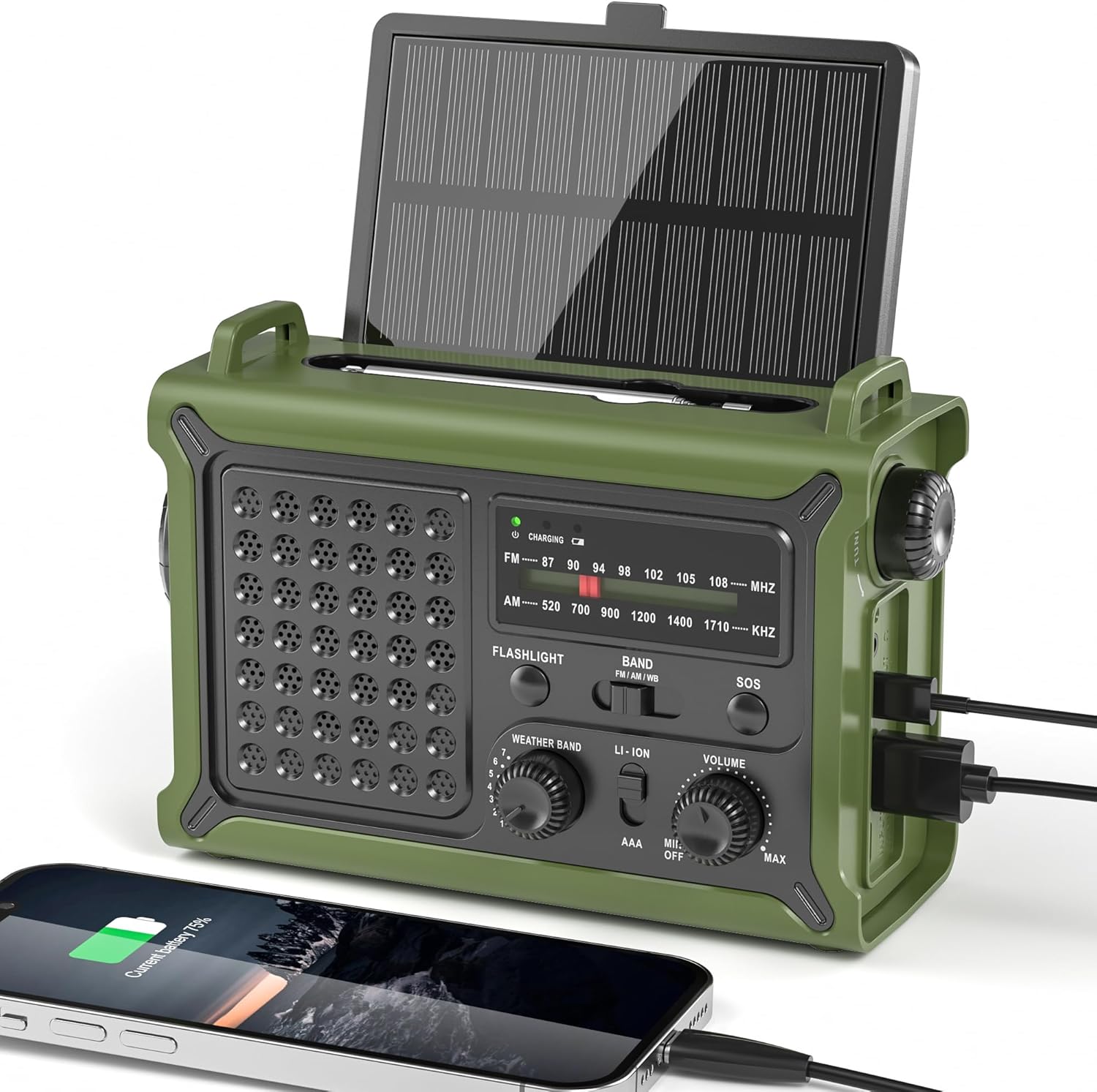
- Invest in reliable, battery-powered or hand-crank radios to receive updates when power is out.
- Establish multiple communication methods (phone, text, radio) to ensure redundancy.
- Schedule regular family drills to practice communication and meeting protocols.
- Keep communication devices charged and maintain spare batteries or power banks.
- Teach all family members how to use communication devices and understand the emergency plan.
Emergency Communication Checklist
- List of emergency contacts and out-of-town contact information
- Battery-powered or hand-crank emergency radio
- Charged cell phones with backup power banks
- Printed copies of communication plans and contact lists
- Prearranged meeting locations and times
- Emergency whistle or signaling devices
- Knowledge of local emergency broadcast frequencies
Having dependable communication tools is essential to any emergency plan. Quality gear can provide clear signals, long-lasting power, and multiple ways to stay connected when conventional systems fail. For instance, the Solar Radio Emergency Hand Crank 12000mAh features clear signal reception and dual charging outputs, making it a versatile choice. The Hand Crank Emergency Radio combines durability with weather resistance and is perfect for both home and outdoor use. Additionally, the FosPower NOAA Emergency Weather Radio offers a powerful 7400mWh power bank to keep your devices charged during prolonged outages. Equipping yourself with such reliable radios ensures you remain informed and able to communicate when it matters most.
Turn Biblical Wisdom into a Working Household System
A shelf of supplies is helpful, but supplies alone are not a complete preparedness plan. A dependable plan connects people, priorities, equipment, written instructions, practice, and prayer. For this topic, the goal is a redundant family emergency-communication plan. The plan should be simple enough to use when people are tired or under stress, yet detailed enough to cover verified alerts, family check-ins, out-of-area contacts, radio information, and reunification. Write responsibilities down instead of depending on memory. Assign backups for essential roles so the household can still act when the usual organizer is away, sick, or unable to lead.
Begin with the people in the home rather than with a shopping list. Consider ages, health conditions, mobility, medications, work schedules, school arrangements, pets, transportation, and biblical convictions. Then identify the most likely local hazards and the official sources that provide warnings. Prayer gives spiritual steadiness, while written plans give each person clear next steps. This balance reflects Proverbs 21:31: preparation has a proper place, yet safety remains of the LORD. We prepare faithfully without making equipment an idol or allowing fear to govern the home.
A Practical Area-by-Area Readiness Plan
Walk through the home with the family and decide where each part of the plan belongs. Use the following prompts as a starting point, adapting them to your household, building, climate, and local guidance:
- Home contact board: post essential phone numbers, meeting places, medical contacts, and the address of the family’s out-of-area contact.
- Wallet and backpack cards: give each person a small printed card because a dead phone should not erase the plan.
- Charging station: organize labeled cables, power banks, vehicle adapters, and a written rule that preserves phone batteries for essential communication.
- Radio station: keep a battery or hand-crank weather radio with simple instructions and record the local stations that carry emergency information.
- School and workplace plan: learn reunification procedures, authorized pickup rules, and alternate contacts before an emergency interrupts normal travel.
- Neighborhood link: identify one trustworthy nearby contact who can exchange information or check a property without spreading unverified reports.
Common Mistakes That Weaken an Otherwise Good Plan
Preparedness improves when we examine assumptions before a crisis exposes them. These common mistakes are worth discussing openly during a family meeting:
- Assuming every family member will be together or able to call during a disaster.
- Depending only on social media, where rumors and outdated posts may travel faster than verified instructions.
- Making repeated voice calls when a short text may use less network capacity and battery power.
- Failing to write down contacts, meeting places, and medical information outside the phone.
- Using radios without learning their controls, charging methods, alert settings, and reception limits beforehand.
Correcting a weakness is not a reason for shame. It is an opportunity to grow in wisdom. Make one improvement at a time, record it, and keep moving forward. Families with limited income can start with knowledge, organization, contact lists, routine groceries, safe storage, and regular practice. Expensive gear cannot replace judgment, but patient planning can make every available resource more useful.
Practice, Maintenance, and the Family Review Rhythm
Run a communication drill from different locations. Each person should send a brief status message, contact the designated out-of-area person, and state which meeting place applies. Keep the drill calm and age-appropriate. The purpose is not to frighten anyone or create a performance. It is to discover confusing instructions, missing supplies, dead batteries, inaccessible storage, and tasks that take longer than expected. End the exercise with prayer, thanksgiving, and a short conversation about what worked well and what should change.
Create a review rhythm the household can remember. A monthly five-minute check can cover the most important equipment. A quarterly review can update contacts, medicines, seasonal supplies, and family roles. Twice a year, replace or rotate items as needed and practice a more complete scenario. Date every checklist. When an item is used, return or replace it promptly. Steady maintenance prevents the plan from becoming a forgotten container filled with expired products and outdated information.
Prepare to Serve, Not Merely to Preserve
Include relatives who do not text, people with hearing or vision limitations, and family members who speak another language. Choose clear methods that match each person’s real abilities. Galatians 6:2 teaches, “Bear ye one another's burdens, and so fulfil the law of Christ.” Wise preparation can increase a family’s ability to remain calm, receive trustworthy information, and offer appropriate help. Service may be as simple as sharing a charged phone, delivering an alert, offering prayer, helping someone read instructions, or directing a neighbor toward official assistance.
Set healthy boundaries as well. Do not enter dangerous areas, perform work beyond your training, or give away supplies your dependents require. Cooperate with local emergency services and follow evacuation or shelter instructions. A faith community can prepare contact trees, welfare-check procedures, transportation lists, and teams with verified first-aid or safety training. When plans are clear before the emergency, compassion can be expressed with order instead of confusion.
A Four-Week Action Plan
- Week One—Assess: Pray for wisdom, identify the household’s real risks, list current resources, and write the most important gaps without buying impulsively.
- Week Two—Organize: Place supplies in safe, accessible locations, label them, update contact information, and give every household member a clear role.
- Week Three—Strengthen: Obtain the highest-priority missing items within the budget, study instructions, and address special medical, dietary, mobility, or communication needs.
- Week Four—Practice: Run a calm drill, record lessons, make small corrections, and schedule the next review so preparedness becomes an ongoing household habit.
At the end of the month, give thanks for every improvement. Readiness grows through faithful steps. The goal is not to predict every event, but to become more watchful, peaceful, organized, and able to care for others. “The prudent man foreseeth the evil, and hideth himself” (Proverbs 22:3). That prudence works alongside trust, prayer, generosity, and obedience to sound instruction.
Recommended Preparedness Gear
The following Amazon products are included as optional examples. Compare current descriptions, ingredients or specifications, warranty information, safety instructions, household needs, and budget before purchasing.
View current product details and availability on Amazon.
View current product details and availability on Amazon.
View current product details and availability on Amazon.
Preparedness is an act of faith and wisdom. We encourage you to share this message with your family and community, and begin building or refining your emergency communication plans today. By taking these practical steps grounded in biblical stewardship, you help safeguard those you love and honor God’s call to be vigilant and ready. Let us prepare with calm assurance, trusting the Lord to direct our paths in every circumstance.
Visit the Faith-Based Preparedness and Survival Tips home page for more biblical preparedness guides.
Amazon Affiliate Disclosure: As an Amazon Associate, New Beginnings Faith Ministries may earn from qualifying purchases made through eligible links, at no additional cost to you.
Safety Note: This article provides general educational information. Follow current directions from local authorities, public-safety officials, product manufacturers, and qualified medical or technical professionals for your situation.
About the Author: This article was written by the New Beginnings Faith Ministries preparedness team — dedicated to helping families build resilience through biblical wisdom, practical skills, and trusted resources.



Comments
Post a Comment